Five-Six Spatiotemporal Integration Model
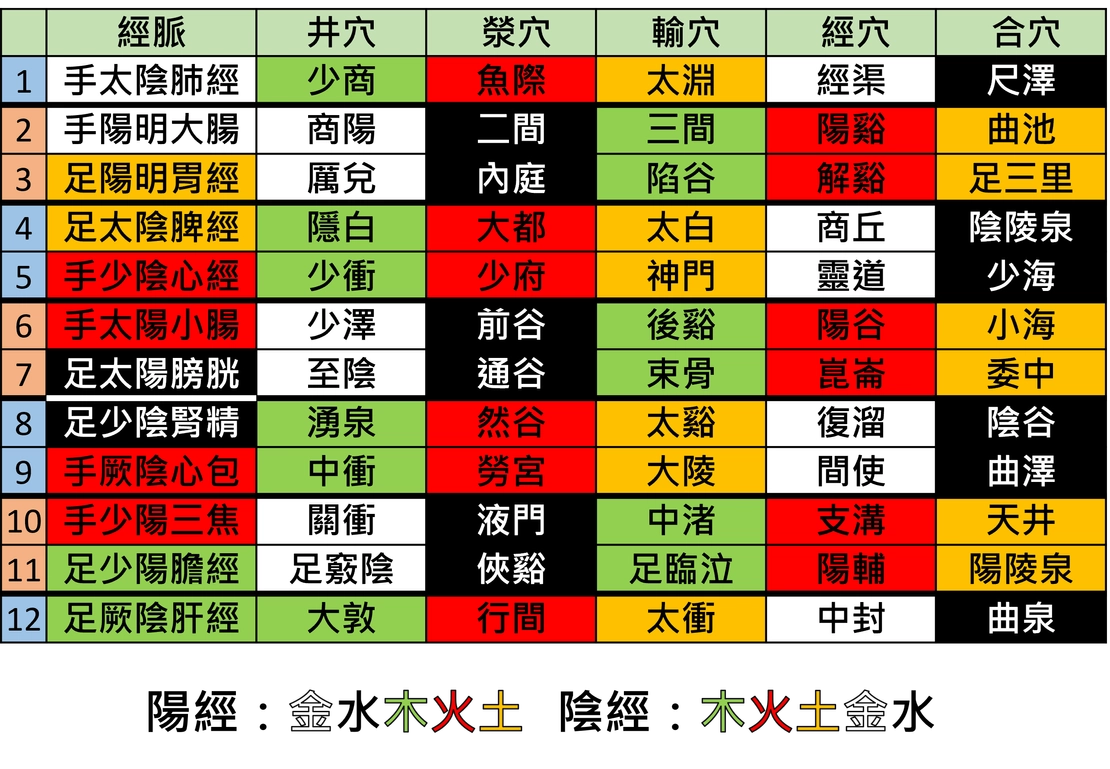
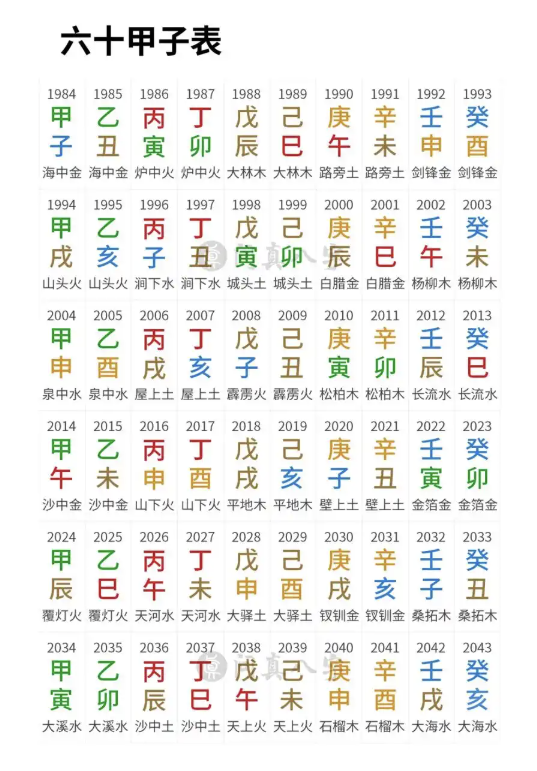
After passing through the orthogonal foundational models of Yin-Yang, the Four Images, the Five Phases, and the Three Yin and Three Yang, we reach a major point of convergence in the study of Heaven and humanity: the Five-Six spatiotemporal integration model. “Combining five and six” means that across both temporal and spatial dimensions, the ancients brought together the system of five—the Five Phases and Heavenly Stems—and the system of six—the Three Yin and Three Yang and Earthly Branches—in a matrix-like interaction, forming two great symbolic gears that continue to rotate together. Mathematically, the systems of five and six are coprime and independent. Three examples are proposed. First, when they combine in time, they generate the sixty Jiazi, the sexagenary cycle that forms a backbone of the traditional Chinese calendar. The number sixty appears on both sides of this spatiotemporal mapping, producing an especially symmetrical structure. Second, when the two systems combine in the spatial organization of the human body, they generate the Five-Shu point system of the channels: six channel categories of the Three Yin and Three Yang × five Five-Phase Shu points on each channel = sixty core Shu points.