

The Rise of Zang-Fu Pattern Differentiation and the Retreat of the Three Yin and Three Yang
By the Ming and Qing periods, older qi-transformation models such as the Three Yin and Three Yang had gradually receded, and zang-fu pattern differentiation became a more accessible and operational mainstream framework. This made materia medica easier to organize and learn, but it may also have obscured deeper classical structures.
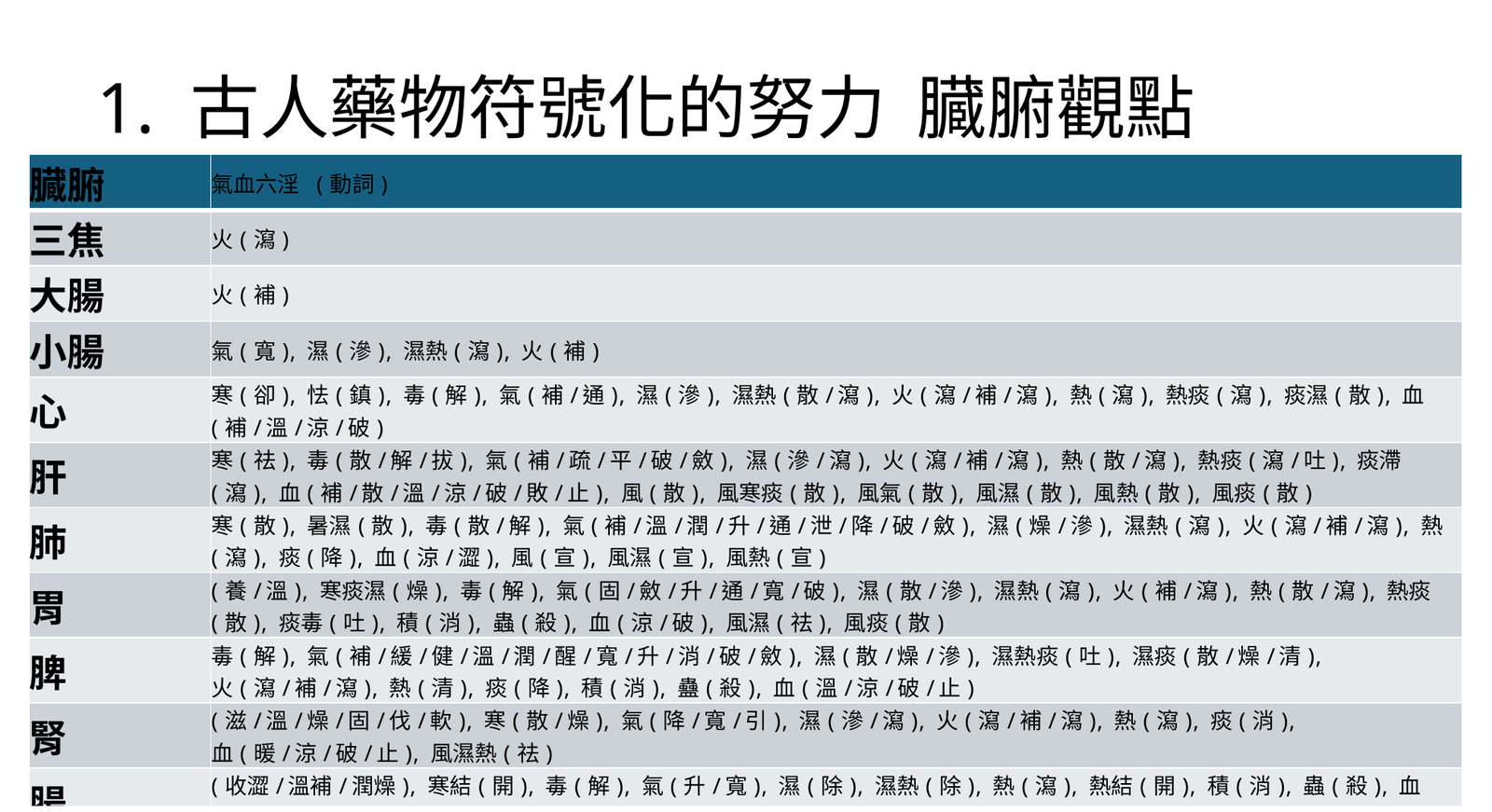
The advantage of zang-fu pattern differentiation is intuitiveness. Clinically, the phrase “wind-cold constrains the Lung” is easy for most people to understand. But in the language of the Shanghan Lun, the pattern addressed by Ephedra Decoction is not simply a Lung problem; it involves Taiyang with heavy cold, exterior constraint, nutritive and defensive qi, and the interstices as an integrated qi-transformation problem. When the Three Yin and Three Yang are compressed into zang-fu vocabulary, the model loses dimensions.
Using Ephedra Decoction as an example, we show how Taiyang heavy cold, originally belonging to the Three-Yin/Three-Yang system, later became translated in zang-fu pattern differentiation as “wind-cold constraining the Lung.” This translation is not wholly wrong, but it can make people imagine that the drug acts only within one organ and miss higher-dimensional relations of inner/outer, exterior/interior, and opening/closing/pivot.