

The Six Excesses, Phlegm, Accumulation, Qi and Blood, and the Priority of Root and Branch
Within the three-dimensional system of Bencao Qiuzhen, the six excesses and phlegm, accumulation, qi, and blood provide two further perspectives for distinguishing medicines. Yet these labels, while useful, must be placed back into the hierarchy of root and branch; otherwise pathological products can easily be mistaken for the essence of disease.
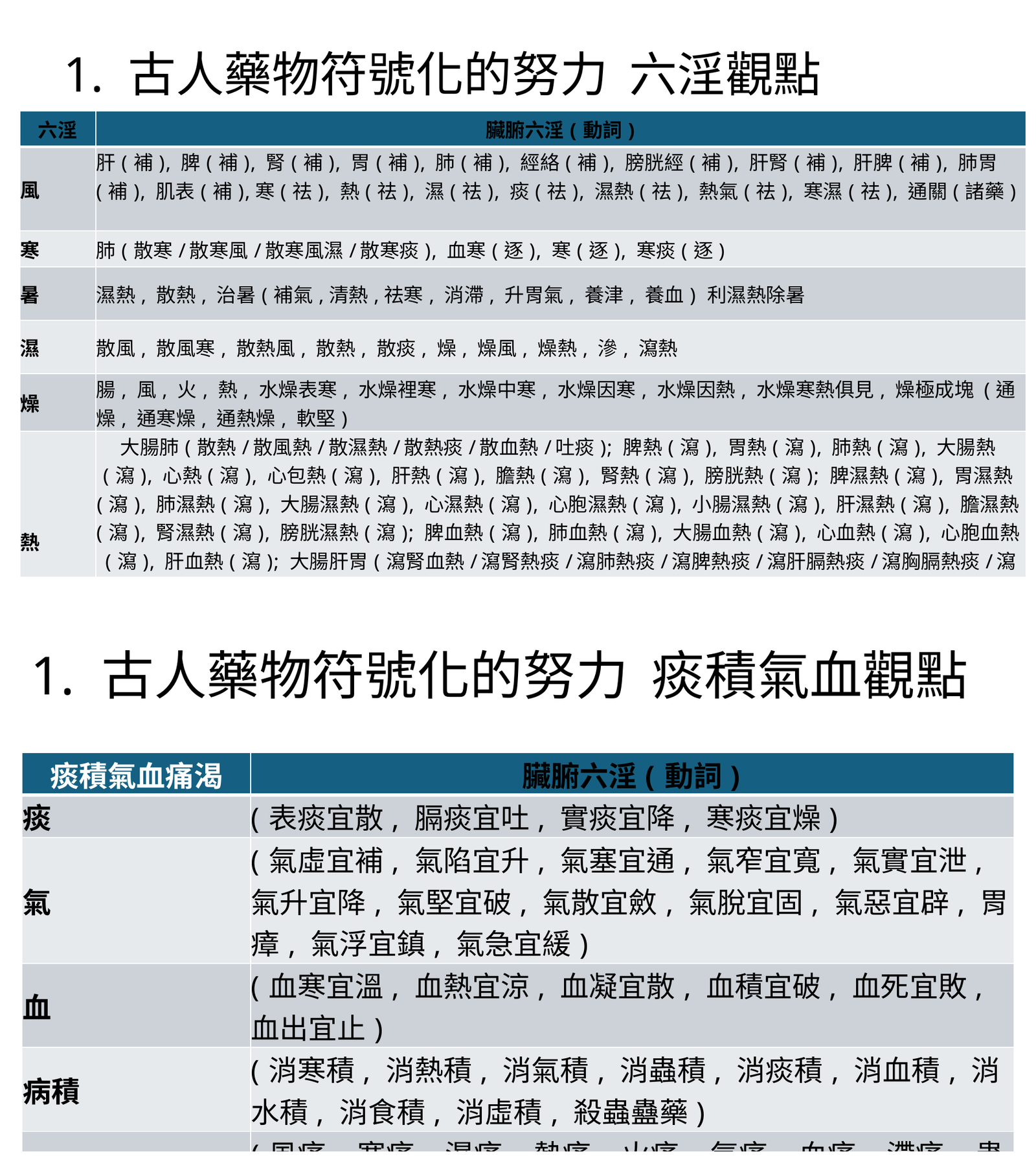
The six excesses—wind, cold, summerheat, dampness, dryness, and fire—are relatively close to external or climatic pathogenic variables. Phlegm, accumulation, qi, and blood more often describe pathological states already formed within the body. Qi and blood still have fundamental significance, but phlegm, accumulation, pain, wasting-thirst, and similar terms are often already closer to the branch. If the physician pursues only branch manifestations, treatment can circle around symptom-level phenomena rather than return to the source of qi-transformation imbalance.
Our assessment is direct: Huang Gongxiu’s systematization has real advantages in making drug classification clearer. But if it is separated from the physiology and pathology of the Inner Canon, therapeutic verbs and disease-name labels can multiply until they become detached from their classical source.